Light Fuse — Get Away

Lordy, I love the 4th of July! What’s not to love? Fireworks — picnics — homemade ice cream — kids allowed to play with matches AND explosives at the same time! Groups of people getting together to witness to their oneness as a family, a neighborhood, and a nation. And you don’t have to dress up or buy anyone a present! YOUR being present is the gift.

And you can count on this summer holiday. It’s a fixed point. I get a big kick out of a locker room story my husband told me years ago. At the end of a patrol shift change meeting, one of the younger deputies asked, “Hey, guys — when is Cinco de Mayo this year?” (I’m hoping he was the only one wondering about that!) No such worries about the 4th of July. It is serenely independent. I doesn’t give a damn about following a weekend or making itself convenient for you, me, or the Teamsters Union. It’s THE FOURTH OF JULY, for Pete’s sake — plain and simple. It’s in YOUR face as much as it was in King George’s — although to a lesser degree. You’re just gonna have to work around it.

My earliest 4th of July memory comes from the early 1950’s. Our family was invited to a nearby country club for dinner and a fireworks show. I recall none of the specifics — only the feelings — that this was a very big deal, or honor, or both. Dad and the other men played golf all day and at supper time their families were invited to join them to “dine” at the club. I recall a lot of thought and fuss about what we’d wear. It was important that we look good. Mom had to get my older sister and brother ready to go, as well as me! I felt special. I was only 4 years old and this was my first “event.” I was bathed and dressed in a crisply ironed cotton dress, with a matching hair ribbon, and wore freshly polished white shoes. Mom looked beautiful in her spaghetti strap summer cocktail dress, cinched in at the waist, the full skirt poofed out with a can-can petticoat. She wore sparkly chunky clip-on earrings and a matching bracelet. Right before she loaded us in the Chrysler Imperial, she gave her platinum blonde coif a huge blast of Aqua Net hairspray, hoping to keep herself as fresh and perfect as possible in the humid summer air. She tucked her red Revlon lipstick into her purse, tucked us into the family car, and we were on our way. It was so exciting!

It was a classic buffet lawn supper — a chef or two in tall white hats, the kind of hat that Chef Boyardee wore in his picture on the cans of ravioli that Mom bought at the IGA each week. There were twinkling lights and tinkling ice cubes –chatting and polite laughter. The men looked so dapper in their summer sport coats and ties. My favorite buffet item was the dessert: dixie cups of Sealtest ice cream, complete with a small wooden spoon wrapped in paper. The best part was the lid. When you pulled it off the cup, on the back as a picture of a movie star! Gee whiz — kind of like baseball cards, but cooler! Once you licked off the ice cream you might see Gary Cooper or Dick Powell, or a beautiful lady like Elizabeth Taylor or Doris Day smiling back at you. These famous faces added real class to the event for a 4-year-old. I was dazzled.

When supper was over we took our seats on the fairway for the fireworks show. And what magic! There was a “chunk” sound below, then a sparkling trail going up, up, up — and suddenly a glorious spray of color and light in the night sky. So pretty! I had never seen anything like it. And these miracles kept coming! I was delighted in every way. Everyone was. The crowed murmured “ooh” and “aah” in unison like a thrilled greek chorus. It was beautiful. It was heaven.

Then suddenly — horror! Another sparkling trail went up but at the top there was a terrible explosion and a big round flash of harsh white light. It terrified me. Had something gone wrong? No one screamed — a few people laughed. I was confused. More shells went up and they were pretty, but then another glittering trail tricked me with a dreadful white explosion. I began to feel afraid. What would happen next? I started to cry and put my face in my mother’s lap. I wanted to look so badly — but what if there was another explosion? Mom told me to look up — it was so pretty — it would be all right. But I couldn’t. And when I felt brave enough to peek, sometimes another bomb would explode. There was no sense to it — there was no warning. Why would someone do something so mean? Why wasn’t it always pretty? It seemed cruel to me. I kept wanting to look, trying to look, hoping for that glorious light — but the bombs were too much for me. Then show was over and it was time to go home.

I felt so ashamed. My mother told me to look and that it was all right, but I couldn’t. I didn’t understand the terrible bombs. I couldn’t look. And it would be a whole year until I could see those beautiful lights again! I was angry and sad. I loved and hated that show. What a loss, I thought — what a loss– all because I was afraid of what might happen next.

I read online you don’t see those bombs at fireworks shows anymore. I learned those shells were called “dago bombs” — yep, there’s a story there — and now they’re illegal. Back in the day, perhaps they added to the excitement of the show. Maybe they were a nod to the Revolutionary War, to the “bombs bursting in air.” And this was the fifties! No one worried one bit about damaging children’s hearing, or triggering PTSD in all those World War II vets, or even offending Italians! Fireworks shows — and sensibilities — are kinder and gentler these days. Dago bombs are against the law. A thing of the past. You just don’t see them anymore.

Or do you?

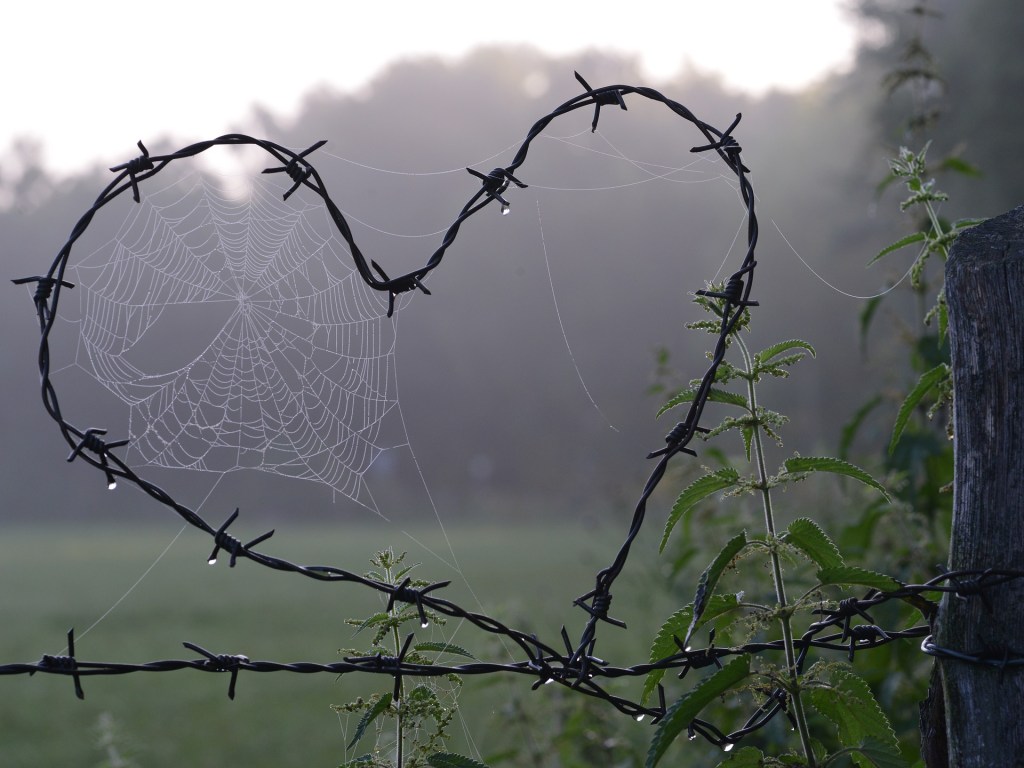
Now that I’m an old lady it occurs to me that life itself is very much like that 1950’s fireworks show. Lovely things happen — “Will you marry me?” “It’s a girl!” “I got the tickets!” “I love you.” “We’d like to offer you the position.” “I cannot EVER thank you enough.” But sad to say, there’s just no law against dago bombs. Into every one of our sweet little lives a few dago bombs will fall. “It’s cancer.” “I just can’t live with you anymore.” “There’s been an accident.” “There’s a problem with your account.” “We believe it was suicide.” Any day that starts out with a burst of hope and gratitude could end in an explosion of joy — or dread. And we really just never know, do we? We might begin to worry. We might begin to fear what might happen next.

Gather ’round children — here’s my take away this 4th of July.

When beauty comes to you, enjoy it. Reach out and take in as much delight as you possibly can. Celebrate with tears of joy. Revel with gusto. It’s perfectly okay to ooh and aah in appreciation and gratitude, and it’s much more fun to do this with a group! Let others celebrate with you. Let others love you. Savor every moment. Wonder with delight what the next beautiful thing might be. Look forward to finding out! Above all, take a moment to be grateful you are here to see it.

And when the bomb comes, the blast will shock you. It will be hard to speak for a moment or two — or days — or weeks. You won’t understand. You will cry. Other people will not notice your fear or grief and you won’t understand that either. Sometimes you may even hear them laughing, and it will make no sense. You will feel very alone. Then dear one, look around for a comforting lap. Someone to listen. Lean in and rest. Cry even more, and try to look up — when you begin to feel a little brave. And then, perhaps you will remember something that was beautiful. You were so lucky to see it. And eventually you might realize this: it’s just a show. Most of it has been quite pretty. It’s been beautiful. A group or friend can help you here, too.

My husband tells me he plans to put “Light Fuse — Get Away” on my tombstone. I like that. Yes, I am a serial enthusiast. But I hope I have learned something in this mayfly-long, fever-dream life I have been given. It comes down to this: Life here has something to do with light, love, and beauty. This is what is real, though at times it’s difficult to see. You will be afraid sometimes. You might even start to fear what’s next. Ask for help when needed. Nap when you can. And one thing more: keep looking up.

A Dialogue with God

A dialogue can be a conversation, a writer’s device, an exchange of ideas, or a teaching tool.  Experience has shown me a dialogue with God is all 4, possibly at the same time, and definitely not for the faint of heart.  Over the past 40 years I’ve had many dialogues with God — some mundane (as in “please don’t let it rain on the picnic”), some ecstatic with joy (these usually feature tears), some beyond desperate (more tears — but the hopeless kind), and some just listening (as in, what am I learning here?). 

O’Connell Youth Ranch

The following recollected dialogues concern a little boy I met 35 years ago at O’Connell Youth Ranch.  OYR is a level 3 lock up facility just east of Lawrence.  It’s a home of sorts for troubled boys — troubled by family situations, circumstances, the children’s welfare system, and sometimes trouble with the law itself.  I worked there evenings as a tutor. By day I was adding elementary certification to my teaching degree, a slog of 45 credit hours at KU.  Back in those days, the only thing “on line” was the laundry — one had to physically attend classes on the hill.  The principal at my children’s elementary school suggested I apply for the job at OYR and I jumped at the chance.  He was on the OYR board and had created the position there, using “homebound education” funds.  We needed the cash and I wanted the experience.  My husband worked days and he could mind our kids until bedtime.  I was lucky. It was a good fit.

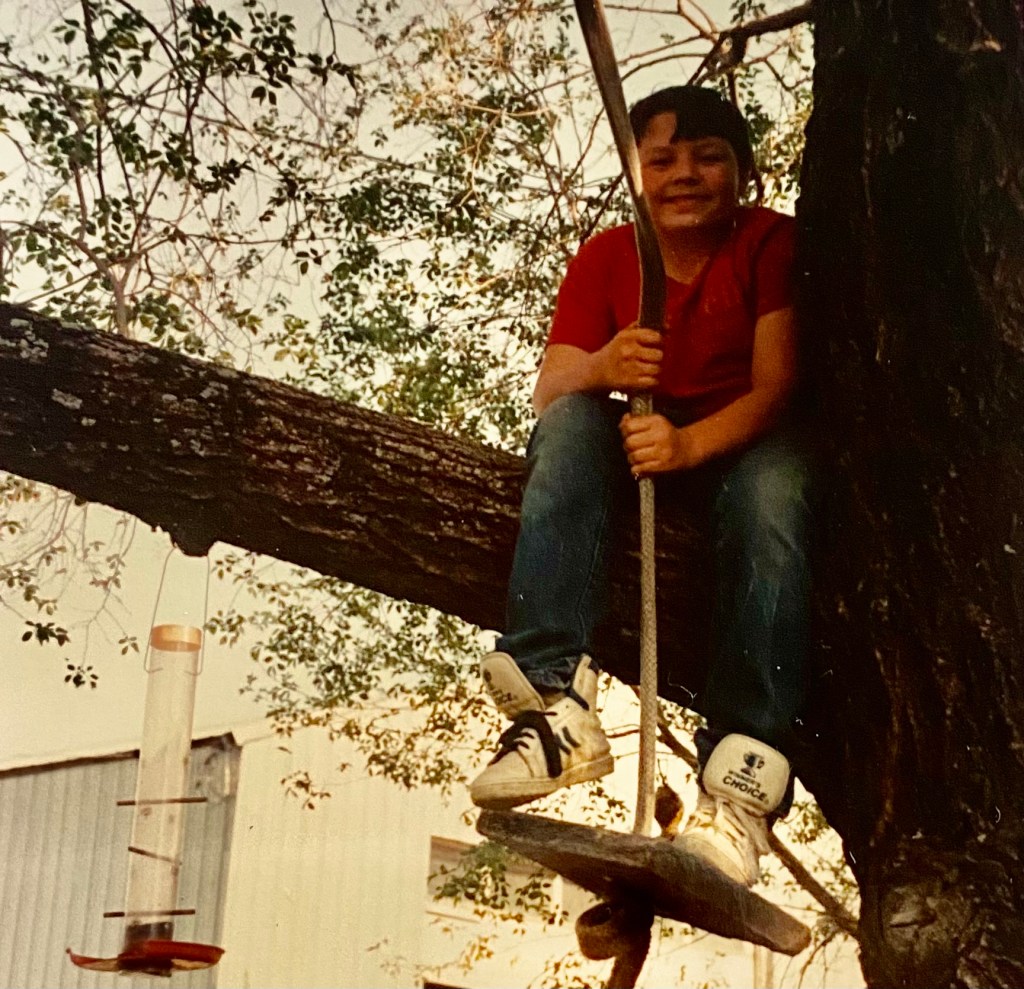
The little boy was Billy. He was 10 years old when he came to OYR.  His trouble wasn’t the law.  He was a “failed adoption.”  Billy had fetal alcohol syndrome.  This impairment creates a disability currently called  ID — intellectually disabled.  At the time it was EMH — educable mentally handicapped.  Billy also had anger issues.  Billy and his younger brother had been adopted together but a few months later the family decided they didn’t want Billy after all.  He arrived at OYR the day before Thanksgiving.  The very next day, Thanksgiving, he arrived at our house.  As I welcomed him, I pulled off his stocking cap and he looked up at me and gave me a delighted grin. He was adorable. I can still see that happy smile. It was along the lines of love — or shift — at first sight.

We often hosted OYR kids on the holidays.  Some boys, the ones with families, got to go home for a few days; but the boys without homes, and the young, idealistic house parents (whose own homes were often in Texas or New York) had no family nearby.  It seemed simple to us to just invite these folks out for Christmas dinner, Easter dinner, Thanksgiving dinner,  or our 4th of July Picnic.  We had a pretty big dining room table, and our own extended families were back in Chicago.  We were familiar with lonely holidays. After a year or so it seemed right that we should be Billy’s support family, the place where he would spend his school holidays — it would give him some continuity and the house parents fewer kids to watch over the school breaks.  Finally, it made sense that he just come live with us as a foster son.  He was 12 and our daughters were game.  But it was just such a huge step.  I didn’t want to mess it up, quit halfway, or ever “send him back.”  How could I commit?  I knew I wasn’t up to it.

“It makes sense, God,” I said one day, “But I know I can’t do it.”

“Aha! You are absolutely correct. That’s what grace is all about,” came his quick and clear reply.

Billy moved in with us a few months later.

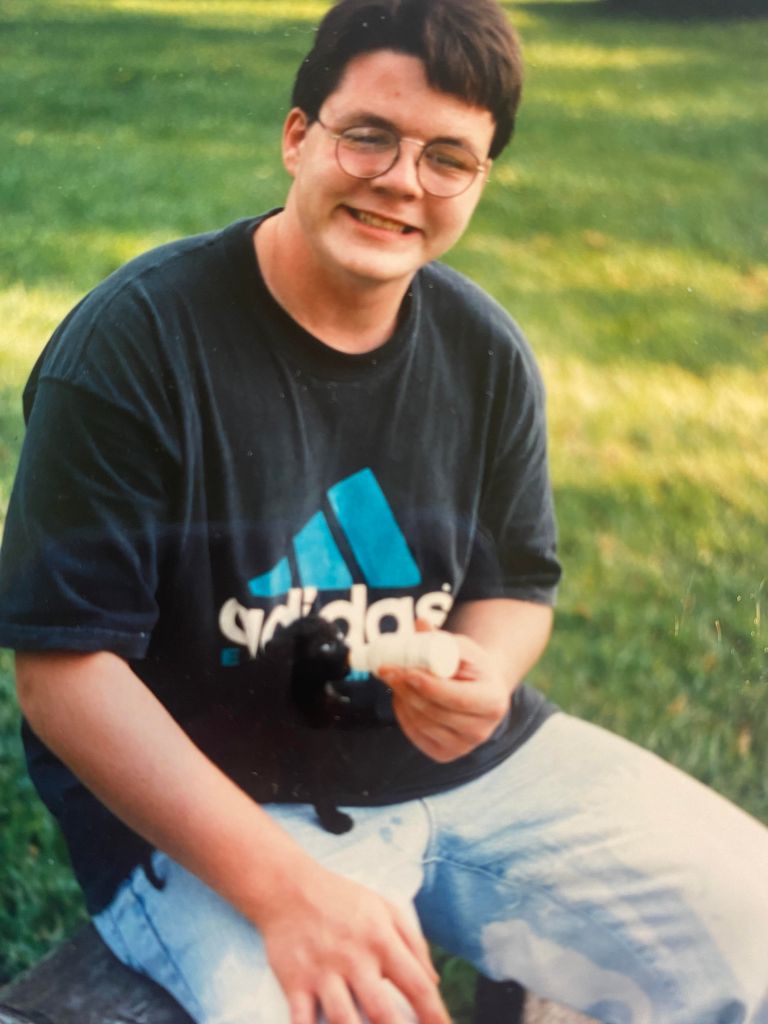
Billy and a kitten — note glasses!

He took well to country life.  We got him a bike and he loved to fish.  He loved the animals we had (chickens, a horse and pony, a dog and some cats) and he adored being outside.  He tenderly bottle fed and raised a litter of abandoned kittens, spending his own allowance money on the formula.  He did well in school.  He was active in Special Olympics.  In high school he got a job sacking groceries at Dillon’s and banked his paycheck every week.  Steve suggested he try Wrestling, telling me Billy only had to know 2 or 3 good holds to do well.  He made the team.  His junior year we helped Billy find and buy a car. Billy arranged to drive a neighbor boy to school to help pay for the gas.  He even got and wore glasses — something he said he would never do.

“I’m grateful,” I said to God one fine summer day.

God didn’t answer. But I am pretty sure she was smiling.

On his 18th birthday, Billy drove to school, on time as usual,  but he didn’t come home.  Some worried calls and connections on the police force told us he was seen driving around town with a carload of pals.  We found out he didn’t show up for school or work that day and that he had emptied his bank account. He called us two days later.  He was in the Mass Street Dairy Queen parking lot, out of gas and out of money.  The friends were gone too.  I went to pick him up.  Steve took the car to gas it up and Billy drove home with me.

He was silent for a few miles. Suddenly he piped up from the back seat, “People can be pretty bad.” We rode on in silence for a while, he reliving his adventure and me hoping to find the right words.

“They sure can,” I agreed, cracking my window a bit.  He smelled as bad as he was feeling! “Tell you what, when we get home, just take a shower and get some sleep.  We’ll talk later,” I said. I was glad he was safe. I hoped he’d learned something helpful. “That worked out okay,” I muttered to God and myself. But again, God just listened. He was being supportive. He knew what was coming.

Billy went back to work and school but things were different after that.  He wanted to see his mom.  God hinted (no dialogue needed) that Billy had been told since he was 5 years old he could “do what you like when you’re 18.”  So we arranged for him to meet up with his mom.  She worked at the Denny’s on Metcalf as a waitress.  She was open to seeing him.  They visited more on the phone and suddenly he wanted to go live with her. She was open to that too.   It was 3 weeks until high school graduation.

“Can he finish high school here in KC?”  I asked her. It was Billy’s senior year.

“We’ll look into it,” she said. 

Billy moved away the next week.  I was happy for him — sort of. It was a quiet summer. But then in October he called out of the blue.

“My mom’s crazy!” he said.  “I’m gonna go live in Milwaukee with my sister.”

“Did you get to school?”  I asked.

“No,” he replied.  “We couldn’t find it, or something.”

I asked God to keep him safe.

I think I got call waiting.

Within the year Billy called again.  The sister was crazy too.  He was going to come back to Lawrence and finish high school.  He could get SSI but would need a payee.  Steve agreed to be payee on one condition — Billy must be in school or have a job.  Billy returned and got a small rent controlled apartment in Lawrence.  He enrolled in school and had to repeat his senior year.  He was included in a KU special education graduate program called the “self determination project.”  They taught the kids how to make their own way and make their own decisions.  This included sex education, and they showed the guys how to put on a condom, using a banana for “practice.” 

 “Hmm,”  I told God.  “I’m sorry but I can picture that condom covered banana on the nightstand right next to the creaking bed!”   

“No comment,”  said God.  She was mostly just listening.

It didn’t matter anyway.  That spring Billy graduated high school at age 20 and a few weeks later a female self determination classmate named Tricia moved in with him. The following spring she had a baby girl.  They brought the baby out to meet us one night, but Billy complained the baby cried an awful lot, especially during their favorite TV shows..  That made him mad. With all the excitement of life Billy didn’t have time to find work and his school days were over.  He was on borrowed time with Steve.  He was still collecting SSI.  Steve had to follow through.

“I can’t be your payee anymore, Billy.  You’re not looking for work or training for a job. I can’t help you buddy.  Let me know when you get a job, ” Steve offered.

But Billy never got a job.

After that, Billy began to slip away.  We heard the baby was placed in foster care.  The state tried to reintegrate the baby with Billy and Tricia but eventually their rights were severed.  Then we heard Tricia’s Mom moved in with them and Billy couldn’t handle it. They broke up. Billy dropped out of sight.  Another year went by. One day I got a call from Topeka.  I could hear a baby crying in the background and a man’s voice hollering, “Shut up!”   It wasn’t Billy hollering — Billy was telling me he was heading to Arkansas. He’d heard there was work there.

All I could say was, “Okay Billy.  Keep in touch!”

But to God I said a lot more, sometimes with tears.  “All those years — all those people doing so much, working so hard to help him,”  I said.  What a waste, I thought.  So much for  GOOD WORKS.  I wasn’t mad or sad.  Just humbled.  I quietly gave it all to God.  Just let it be.  “I don’t know what to think,”  I said.

 God didn’t either, I guess.  He didn’t say anything.

We heard nothing for 7 years.  But one day the phone rang.  It was Billy!  He was living in Wisconsin.  He’d been bouncing around the country, finally finding work with a carnival traveling all over the south and Midwest.  All the heavy lifting and long hours had hurt his back, and when the carnival pulled out of Eau Claire, Billy watched it go.  He’d found work at a Burger King and was having trouble with his roommate. He wanted to ask his Dad a question.  I thought, Billy, your dad’s been dead for 20 years,” but then realized HE MEANS STEVE.  Steve took the phone.

Billly and the Old Man

Billy began calling more frequently then, and a few years later we got an invitation to his wedding.  He was marrying a girl he met at Burger King.  We went to the wedding and we were introduced to everyone as his parents.  I danced the Mother/Son dance with him.  He wore a baby blue tuxedo and a huge grin. Billy took well to married life. A few years later he brought his wife and (by then) 2 kids to visit us.  He wanted to visit the Youth Ranch and was full of questions.  “Do you still have those red dishes?”  “Do you still make homemade Macaroni and Cheese?”  “Do you still go to the little country church?”  He calls us regularly and always calls on Mother’s Day, Father’s Day, and Christmas.  He loves to tease Steve and calls him “The Old Man.” Billy has 3 children now and he’s a night cook at Denny’s.  Tiffany, his wife, has extended family nearby and she works as a supervisor at a factory that makes medical equipment.  Billy’s working on getting disability (bad back) and proving his Cherokee bloodline to receive tribal benefits.  They live happily a small trailer and he has no teeth.  But he still has his sweet smile.

I  dialogue with God these days about many topics but when it comes to Billy we mostly just sit still and feel good . God kindly lets me know we didn’t do anything special and with a smile he reminds me we aren’t going to get any kind of upgrade over this.  It’s just all in a life’s work.   We just met a little kid at a tough moment and tried to help.  And it somehow worked out.

“Thanks for everything you’ve taught us. Thank you for all of it,”  I say softly.

“I know, kid,” God always says.  “You’re welcome.”

January 20, 1970

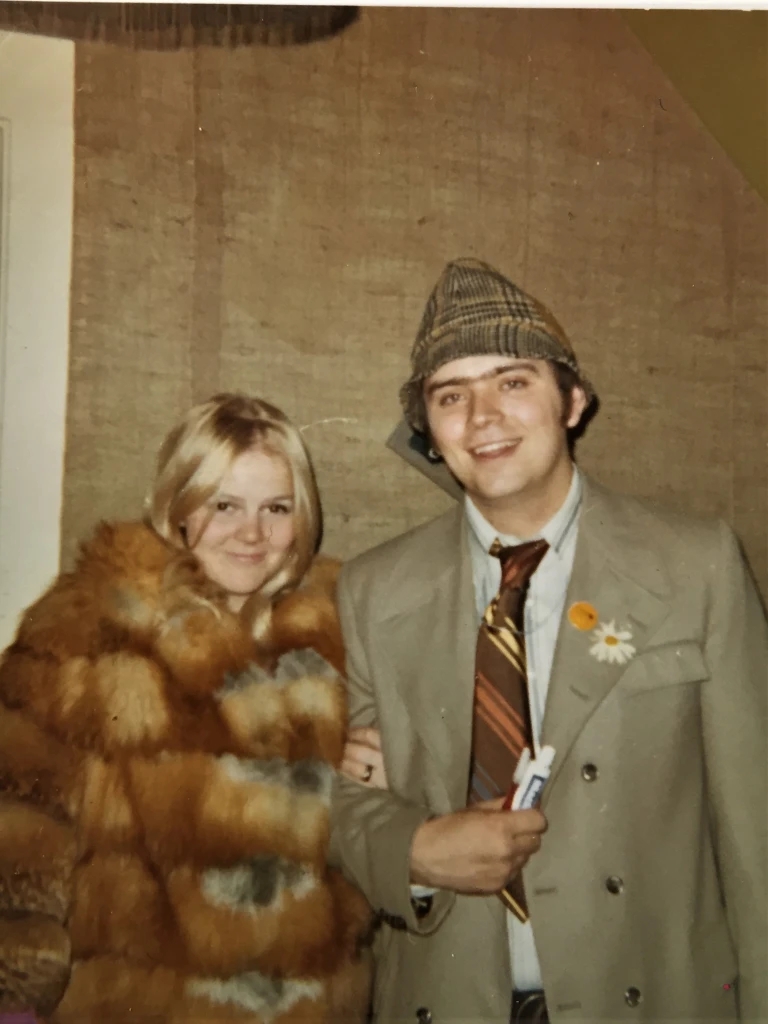
Just married….off to Kansas City to stay in a real hotel for one whole night!!

The cake mixes were 4 for a dollar and that was a good thing.  I wasn’t sure how many it would take to make our wedding cake.  I was new at this, starting to teach myself how to make food for people I loved.  Some folks have fond recollections of making meat loaf with Mom, or learning the secrets of perfect pastry in a farmhouse kitchen somewhere in the blissful past with a Grandma old and wrinkled and warm.  I’d had none of that – food was important in our family, but it was an afterthought, not an offering.

I was in college – a girl of the first generation in my family to have such a gift and privilege.  As far as food was concerned, I’d been trained to set and clear the table (my brother had no such duties – he was confined to the lawn mower) – but I was never invited into the steam, sputtering oil, and billowing clouds of flour that made up the mysterious world of cooking.  It must have been regarded as beneath me.  My job was to study, get good grades, practice the piano, and marry well.  “Make something better of yourself!” seemed to be the message.  Don’t make sandwiches!

But here I was – 20 years old, preparing to get married against my father’s wishes, living with a girlfriend in a firetrap apartment in a rickety old house – about to declare my independence and launch my life into a trajectory that would forever after be out of kilter with “what we expected.”  But I was elated.  I was going to be me.

Steve and I had been crazy in love since high school.  We were old enough now, nearly adults, and so eager to find our own way.  We had around $300 between us – money left over from summer jobs – so we bought Steve a new set of clothes, got a case of Andre’s pink champagne and a box of kitchen dixie cups, scored 5 dozen daisies from a confused florist, and with what was left over, an off-the-rack wedding dress for me from a fancy department store in Kansas City.  I didn’t know you had to order the dress ahead of time, but the lady took pity on me and sold me one of the ones you try on – a floor model, not too badly defiled with other girls’ makeup and BO.  We wrote some vows (mostly lifted from Gibran’s The Prophet) and found a campus minister willing to preside.  Danforth Chapel was free at 5pm on January 20th – Steve’s 21st birthday.  We were set.

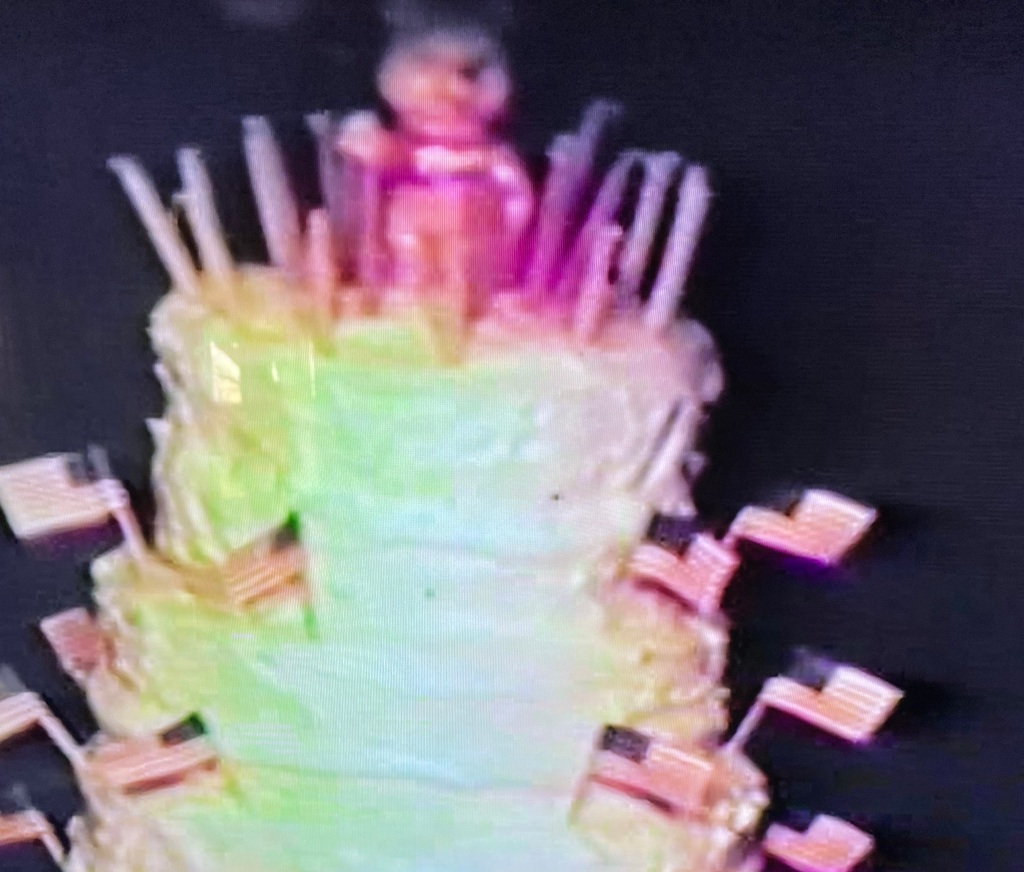
JPEG of a DVD of a VHS tape of a Super 8 movie…from a galaxy far, far away.

The cake mix and a dozen eggs set me back about $3.  I didn’t have any cake pans but by asking around my apartment house I came up with 4 frying pans of different sizes.  It was deep January and so cold there wasn’t enough gas in the old house to bring my oven over 200 degrees, so progress was slow but steady.  When the four larger layers of something like white cake were done I baked a small top layer in a saucepan.  I remembered seeing my mother make frosting out of milk and butter and powdered sugar so I blended them as best as I could and slathered the cake together.  I had a small figurine of Winnie the Pooh so I put him on top.  Since it was Steve’s birthday 21 candles seemed appropriate – and we could sing!  And just for extra dazzle, I scattered a package of small paper American flags on toothpicks up and down the sides.   After all, we’d recently watched the Vietnam Draft Lottery on TV and it felt important to express our patriotism.  Our country was at war.  Steve got a high number – 275, I think – but friends who would attend our wedding were not so lucky.  One already had enlisted in the National Guard.  The other was talking about Canada.  But on this day, at that moment, the war, our lives, and all our “ever afters” were still ahead.  And we weren’t afraid of any of it.

I spent an awfully long time – too many years – being ashamed of that cake.  Not ashamed of its appearance, but sad that our wedding had made my father so unhappy he refused to attend.  I had defied him and was told I had broken his heart.  That beat went on.  Years later, when my mom lived with us, she’d sometimes speak wistfully of the fact that they’d just bought a lovely new home and she’d hoped to have our wedding reception there.  Too bad, she’d say, too bad you couldn’t wait.  It would have been a lovely party.

It took me 30 years to one day suddenly become giddily proud of that cake – I made it myself, I marveled to me. I MADE MY OWN WEDDING CAKE!  That cake was the first meal Steve and I shared as husband and wife.  It was the start of our 51-year banquet we called “our life together,” a jolly run at making something out of nothing.  We liked to do that.  And we were pretty good at it.

The cake must have tasted okay.  There wasn’t any left, and there was no wine left over either.  That January day, those who attended wished us well, and we returned the same good wishes to them.  Looking back, I can see it was our Last Supper as students, as children, as friends.  It was a communion of sorts.  The sacred elements were wonky white cake and cheap pink wine in dixie cups. Soon we would all “go forth” to new lives, personal challenges, and uncertain futures.  But just think: my cake fueled us all for the journey. I am so grateful.


Notes on Being 70

I recently read about the Piraha, a small tribe of hunter gatherers who live on a remote tributary of the Amazon in northwestern Brazil. Their language is one of the simplest known, consisting of 3 vowels and 8 consonant sounds. Their counting system is just as uncomplicated:  one, two, many.  It is further said they speak and live only in the present tense, this present time.  Sounds refreshing, doesn’t it?  It made me think of a few of my first grade math students.  They must have been cut from the same rainforest water lily pads.  When I asked them to count to 100, a very important benchmark on their very important permanent record, a clever few would grin and look up with their sweet, bright eyes and say, “One, two, skip a few, 99, 100!”  We all got a big charge out of that.  But then I made them count anyway.  I was on the payroll, after all….

Alas, I find I live in a world filled with numbers.  An infinite number of them, I am told. And I just had a big number change.   On June 1st my life odometer rolled over to 70.  I love the poetry of saying “I am many years old” but that just doesn’t seem to cut it.  Any 6-year-old knows there are an awful lot of numbers between 1 and 70 and it takes a long time to say them.  Victor Hugo wrote, “40 is the old age of youth. 50 is the youth of old age.” Looks like I’m certifiably old. Yep — I’m and old lady now and definitely heading for the barn. It has taken me an awful long time to reach this number. It feels and seems like such a serious and solemn number I thought it would be right and proper to mark it with a written testimony of sorts.  A “what I’ve learned” kind of list.

So here goes:

1. This world is more wonderful and more terrible than anyone could ever know, imagine, or understand.  Love will always win, though.  In the meantime, try to nap when you can.

2. As a species we are hard wired to fight back, get even, have the last word, and feel better about ourselves at all costs.  Whatever situation you find yourself in, please try to think of something better to do.

3. Sadly, at 70 one’s décolletage resembles foccacia bread sprinked with roasted garlic and too many poppy seeds.  It’s not your fault. It’s just what happens when you live this long and have spent too much time working in the sun. But no matter WHAT the salesgirl says about that lowcut cocktail dress you just tried on,  keep shopping.

Slather away!

4. Coconut oil is your very best friend.  Eat it.  Cook with it.  Rub it in your hair.  Cover your body with it after a hot bath. You will look like a Japanese sumo wrestler but sleep like a baby.  Your husband will remark it’s like sleeping with an Almond Joy.  There are worse things.

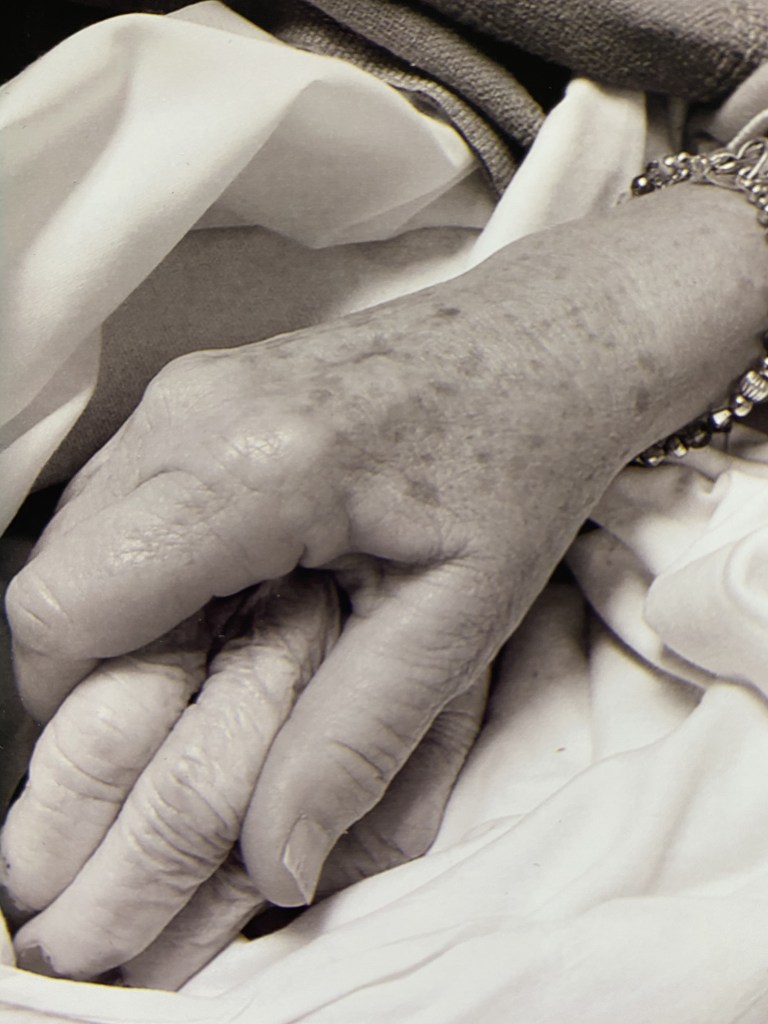
5. It’s said one of the strange things about humans is that we know we are going to die, but we don’t believe it! So true. You will not live forever — at least, not in your present form.  So notice and savor each moment and each relationship. Your loved ones and your very best friend won’t live forever either, and as Nora Ephron so succinctly pointed out, these people are irreplaceable. When they leave you, you will never get over it. But with time, you will get used to it.

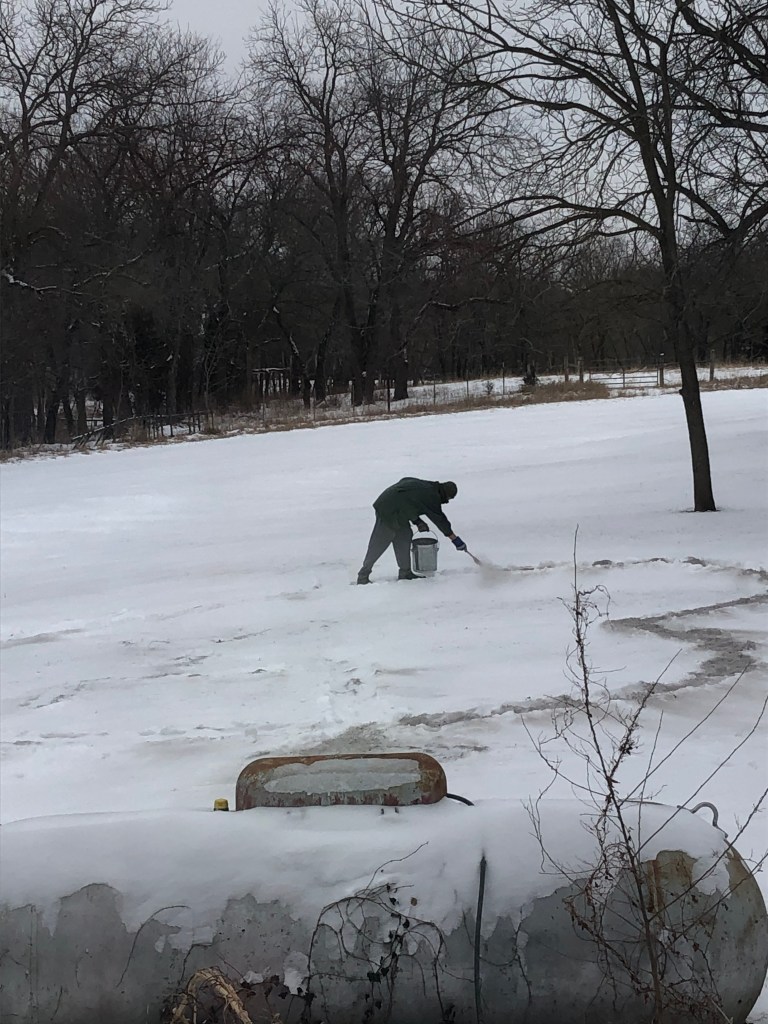
Steve made me a Valentine in the snow each year — sub zero weather, his last Valentine’s Day.

6. There is “having sex” and there is “making love.”  Choose love.  And sometimes you can make love with a simple look, a loving touch, folding the laundry, or refilling your darling’s coffee cup without even being asked.

7. When you’re 70 your toes get wonky and crooked from holding onto the earth for so long.  Get a pedicure and show them off to the world.  Thank them, too.  They have served you well!

8. The worst 4 letter word in the world is FEAR.  Frisk your thoughts and you’ll always find the horrid ones that keep you up at night or make you feel just awful about yourself always have FEAR at their nasty nougat center. Don’t chew on that stuff. Spit it out.   

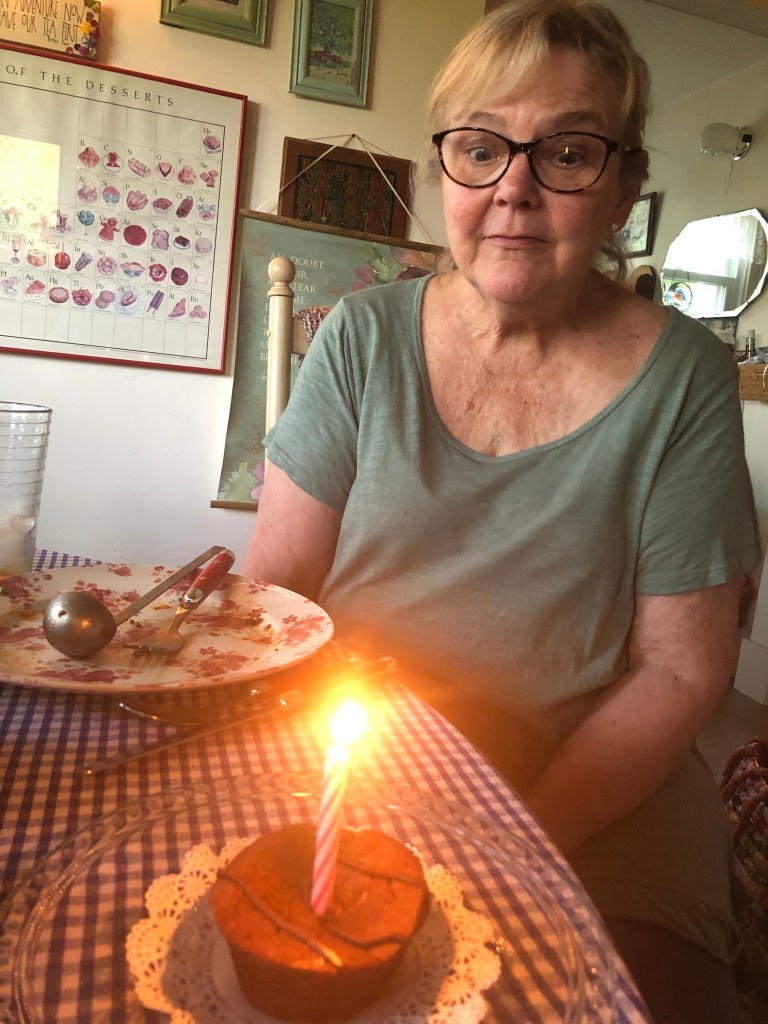
9. There is ALWAYS something to celebrate. Wearing a party hat can really add to the celebration — even a “celebration of life.”

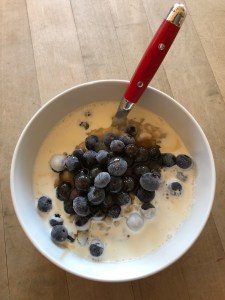
10. Warm oatmeal topped with heavy cream, real maple syrup, and fresh blueberries is love in a bowl.  Serve often.  While eating making yummy noises is entirely appropriate.

11. Listen to children.  Listen hard.  Love them unconditionally.

12. It’s okay to cry at weddings, funerals, the opera, at church, upon reading an especially moving piece of writing, when you eat a particularly wonderful meal, when a loved one leaves, and again when he or she returns.  Tears come when you run out of words.  With tears you are speaking from your heart and soul — the ultimate eloquence.

13. My mother always told me, “It hurts to be beautiful.” And she was right! Those tweezers, perms, overnight curlers, pointy-toed high heels, cinched waists, girdles, and garter belts were a misery to endure! Life has taught me, however, it hurts more to be beautiful inside. It’s an endless work of the heart. But it will give you true beauty.

14. Everyone would like to get a long, loving letter.  Write one. 

15. At this age I find I have time to sit still and have a conversation with a flower.  Give it a try.

16. You know, someone else can cook the Thanksgiving turkey and that will be just fine.

17. My body was never perfect and I spent far too many years being ashamed of it.  Mea culpa!  How faithful it has been.  It has taken me on so many wonderful adventures.  It has given me so much pleasure. My wrinkles, scars, bulges, and spider veins tell such beautiful life stories.  I am grateful.

18. Babies really are complete and utter miracles.

19. If you want to know what real love looks like, get a dog. 

20. Spiders, snakes, and possums are just trying to make a living.  Be kind.  Catch and release, if necessary.

21. Difficult, lazy, self centered people are a gift.  There are also everywhere.  But rejoice!  They give us a chance to learn and practice patience, perseverance, and forgiveness.  Where would we be without them?  They make US better.

22. We come from love and we are going back to love.  The world is just illusion with a very loud and disturbing soundtrack.  Amid the tumult, listen hard for your own real voice and the silent loving voice of God. You are her special favorite, you know.

23. Jesus told us to love our neighbor as ourselves.  One writer pointed out most of us are doing just that — most of us pretty much hate ourselves.  Knock that shit off.

24. Love love love!  You’ll never go wrong.  Start with yourself.

25. Time will INDEED tell.

26. God/Spirit/Love always answers your prayer.  It may be YES, NO, or CALL WAITING. Therefore, pray often and all ways.  It may not change the outcome or the situation, but it will change you.  And THAT will change the world.

27. Some people have a bucket list.  My husband Steve jokes he has a Fuck It list.  I don’t have any list at all.  I just want to finish well, whatever that looks like.  I have a feeling it looks like love.

Happy birthday my dears! See you at the barn!

Who Cares?

Hold my hand

  One evening 35 years ago, when I was a baby Christian, I was on my way to prayer group, supper dishes just done, bustling around my kitchen looking for Bible, coat, and shoes when the phone rang.  I grabbed it distractedly, wondering where my car keys were and glancing up at the clock.  It was Alvaro, the husband of my friend Marie.  Marie and I had met at our daughters’ 4-H club and we’d become good friends.  A beautiful, creative, and wonderful woman, she’d been waging a 3-year war with breast cancer, but she was losing.  She had taken to her bed and needed someone with her round the clock. Alvaro and their teenage daughter had risen to the task, but it was difficult for them.  I’d told Alvaro, a very private and reserved KU professor, to call on me if he ever needed a break.  Marie was close to the end.  Alvaro explained he just had to get out of the house for the evening — could I come over and sit with Marie?  “Oh, Alvaro,” I said.  “I am so sorry!  It’s prayer group night and I’m just on my way out the door!” We quickly hung up. 

Within 2 seconds I thought, “What did I just say?”  and immediately called him back.  “Alvaro, forgive me, I can’t believe I said that!  I’ll be right over.”

I still smile when I think about what an idiot I was and how kind God was to let me see it.  Marie and I spent a little more time together, and she knew I was there.  Her husband and daughter had a bit of a break.  How tender of God to arrange it.  Above all, how brilliant God was to introduce me to caregiving. 

“Care” and “giving.”  Now there are 2 words I love!  I’ve spent so much of my adult life caring and giving in one way or another — teaching, parenting, foster parenting, grandparenting, slogging gallons of homemade soup up one country road and down another, letting out dogs and feeding cats and horses, volunteering for Hospice, taking my mom in when her dementia made it impossible for her to live alone, coming alongside homeless families through Family Promise, and wrapping and delivering (or leaving unwrapped — as instructed) food and Christmas gifts for people who need help on the holidays. It has been the framework of my life. “How can I help?” comes naturally to me. It’s what I do. It just seems to make sense.

But I like to joke that “caregiving” is a lousy career choice — there’s no future in it!  And this is quite true.  The children (original, grand, or foster) grow up and move away.  The old and terminally ill surely die.  And it’s so relentless. Christmas always comes again in 364 days, and there will be another needy child who wants a video game or a pink bedspread.  When you “caregive” full time, the shift never ends and you seldom go off duty, unless you’ve asked or hired a friend to take your place.  There is no pay and no pension plan….no glamorous trade shows in Vegas… and you will never get a tantalizing brochure inviting you to a caregiver’s conference on St. Kitts.  There are rewards, but nothing tangible you can post on Facebook — even IF you had the time.  BUT — caregiving is the most REAL thing I have ever done. I have never regretted a moment of it.

Why do I care to give?  I can’t say.  I CAN say that in a world that grows more divided, cold, and lonely it seems to me it is very important work — the only work that makes sense.  We are all we have.  We are the ones we have been waiting for.  It’s time to get on with our loving.  It is time to care. 

Life will give you many opportunities to be a caregiver.  Recognize them, and step up when they come, for come they will. The needs may be small or large.  It might be a ride to the airport or helping someone move. Maybe your spouse or partner will have an accident, or get a dreaded diagnosis.  Perhaps a relative will need a place to live. A sick friend might need rides to appointments, or a meal once a week.  Or a child, one you haven’t met yet, will need you somehow, and maybe even need a home. Yes — it’s inconvenient. You will feel that your life has been interrupted — may I say, what you THOUGHT was your life.  But as hard or inconvenient as it may seem (and actually BE) at times, when you are able to look back, you will be so incredibly glad you cared and gave. That small light will not go out, that light that you gave life to, that light that you became for just a moment.  I smile as I write this.

Several years ago husband Steve and I were driving home from a family wedding in Minneapolis.  We were 8 hours into the 12 hour ride on a hot August day, somewhere in the cornfields of Iowa.  The interstate had numbed our minds and ears, and the excitement of seeing so much family and experiencing so much celebration had drained us of conversation.  As we pulled off the road and into a gas station, I noticed a woman standing by the edge of the parking lot holding a sign.  She had her back to us.  She was facing the oncoming cars exiting the lot.  It alarmed me.  Time was, hitchhikers were a common sight, but not so much these days — particularly a lone woman.  In full “travel-mode stupor” we got to the business at hand (gas, restroom, obligatory glance at the seductive snack orgy inside), jumped in the car, and started back towards the road. We were tired.  It was our last push to home.  We were focused.

The woman was still there.  We could see her now. She was young.  She had the posture and presence of a Madonna.  She had long dark blonde hair that blew across her face in the hot wind.  She wore a long skirt and a shawl of some kind over her head and shoulders.  Her face was serene and beautiful. She was looking down.  A gas can, spout pulled out, was on the ground at her feet.  Her arms gracefully held a sign over her very pregnant belly:  SEEKING HUMAN KINDNESS.  In the nanosecond it took us to pass her by, she looked up and made eye contact with Steve.  I thought to ask him to stop, see what she needed, help her.  But he was tired, hot, and ready to get home.  And I was the same, truth be told.  I didn’t ask him. We didn’t stop.  But she traveled with us anyway all the way to Kansas.  It took us two days to dare to talk about her, and speak of our shame for not stopping to help her.

Who was she?   I’ve seen signs reading “Anything helps” and “Need gas money” and even (once in San Francisco) “Please give to the United Negro Pizza Fund” — I loved that one.  But this was so different.  Otherworldly.  Was she real?  Was she FOR REAL?  Did anyone else see her?  Did someone help her?  I will never know.  And I will never forget her.

Friends, it seems to me that we are ALL that woman.  Some of us have signs, and some of us don’t, but we are all, every one of us, seeking human kindness. We say “modern life” is very busy, and it’s true, but busy with what?  It’s awfully easy to get lost in ourselves and our agendas. We all want to “get there” – wherever we think that is. It has never been convenient to care for one another. And aren’t there social services for such things?

Rumi, a 12 century sufi mystic, wrote “Be a lamp, or a lifeboat, or a ladder. Help someone’s soul heal.  Walk out of your house each day like a shepherd.” What a lovely image.  What a lovely calling.  What a lovely purpose. Like that lady said to the waiter in When Harry Met Sally: “I’ll have what he’s having!” To me, giving care to one another is the only thing that makes sense. It’s why we are here.

Who cares?  A good question.  I’ll give you (and me) time to think about that.  Take care! And thanks for caring to listen.

Pops is Tops

A few years ago I took a writing class that always ended with a weekly prompt. I’m always rattled by prompts! They call forth the “compliant girl” I was trained to be, but rattle my rebel self who taunts, “Keep it up, trained monkey!” Eventually the creative pioneer woman who lives in me, the one who finds a use for rusted kettles and the last of those soggy potatoes, chirps: “Now, come on, y’all — what could we make with that?” I find HER voice is most truly mine. Thus, “write something about any word that starts with D” took me on a journey from donuts to death, and I had almost lighted upon “diagnosis” — a word that was a big part of my life in those days — when suddenly one morning, there it was: Dad. Even just writing the word brought me to tears. It happened to be Father’s Day. That alone may have suggested it, but Dad had been waiting in my heart for 44 years. It was time. Father’s Day 2022 reminded me of this essay. Now I’d like to share my dad with you.

My Dad. I lost him so long ago. He literally dropped dead at age 61 — a heart attack, they said. I was 28 years old, living in a little farmhouse in Kansas with a 3-year-old child and a 5-month-old baby. Husband Steve was teaching English at the local high school. My sister’s husband called Steve there from Chicago with the news. Steve immediately came home, mid-morning, to tell me. The shock of Dad’s death, so unexpected, so unnatural, even before my 4 grandparents, was huge. The size of the crater this loss left in our family couldn’t have been more massive. We were stunned. But my youth, and the urgency of raising little children distracted me. Dad died and then time just marched on. As the years went by, Mom’s life and needs became the main event. But Dad waited patiently in my heart. He and my words about him were still there.

First the word: Dad. The word “Mom” is soft, like a big, yummy pillow. “Dad” has a softness too, but it seems more like an easy chair — a place of rest, but a place with structure. Those 2 D’s wrap around that little a and hold it in place like a wing-back chair. “Dad” supports your arms. “Dad’s” got your back. My Dad was all of that — a fixture, a place, a residence. For some, the word “Dad” conjures up a mystery, or a nightmare, or a tyrant. Truth be told, my Dad was a bit of these, too. But his love trumped all. As he liked to say around Father’s Day — Pops is tops! He was good at advertising jingles. They paid our way as a family back in the (happy) day.

Dad was born in 1917, the second child of miserably mismatched immigrant parents. He grew up running the streets of Chicago with a group of buddies so full of pranks, noise, and vandalism they were rounded up without warrants in their early teens and put in jail every October 30th, then released the day AFTER Halloween. Dad DID spend part of his 14th year at a reform school in Wisconsin. His days there were cut short when the place burned down 4 months after he arrived. Did HE set the fire? I asked him once. He neither admitted nor denied the deed. His blank stare simply said, “no comment.”

My mom first laid eyes on him when she was 16, working full time as a switchboard operator at an engraving company downtown. She and a girlfriend saw a fella walking ahead of them on State Street wearing a derby hat, a full-length raccoon coat, and spats. They laughed out loud. (I now know where I get my taste in clothes). She later met him “on business” — he was an errand boy for a printing company. Sometimes he’d stop to chat. Once he brought her an ice cream cone. They married in 1939. In ’41, Dad stepped up and enlisted the day after Pearl Harbor, even though he was exempt, being married with a baby on the way. Mom had to sign a consent form.

Then they fought World War II together; he as a bombardier instructor in the Army Air Corps, she a gypsy wife following him around the country from base to base with their first-born daughter in her arms. My brother’s birth in ’43 on an Army base in Florida made them a jolly traveling troupe of 4. When the war ended, they moved way out in the country to a 2-bedroom flat they rented in his mother’s new boarding house, 9 whole miles west of Lake Michigan. Dad started working at an advertising agency in the city. He was good at his job and was steadily promoted, but his bad boy habits persisted. He ran around a lot, staying out all night to play cards, gamble, and drink with his buddies. He held onto his job, but was at risk of losing his family. When I came along in ’49, Mom was out of room and patience. With his next promotion, they bought a 2 bedroom tract house further west. It wasn’t much, but it was theirs. And there Dad established his kingdom, Mom built her world, and we kids had our paradise.

It was rough still, for a while. Dad partied on from the suburbs, some nights not coming home, sleeping it off on our couch over the weekend. A pulmonary embolism in the early 1950’s was an epiphany for him: his wife came to see him in the hospital. His drinking buddies didn’t. He left the hospital with a new resolve and watchword: “togetherness.” The drinking didn’t stop (ever) but the focus did. His full focus turned to us.

For the next 25 years, Dad brought the party home. He had a large spirit: funny, spontaneous, quick-witted, fond of surprises and giving generous gifts. He had the basement remodeled, adding another room with a fireplace and a curved paneled bar. One random Saturday he brought home a slot machine he’d bought from a shady friend in Riverside. He hosted a poker game every Friday night, which he called “the deacon’s meeting.” Mom stayed up late to serve sandwiches and coffee to the guys when the game broke up around midnight. He was a generous, fun-loving host and a sharp card player. I can still hear the shuffling of those cards and lots laughter coming up from the basement. Money changed hands at those “meetings,” but it was always in good humor. Dad was good at that, too.

Dad was an enthusiast, a comedian, a philanthropist, a sentimentalist. He adored my mother. He sent her a bouquet of flowers every week and bought her big, mushy birthday and valentine cards. At Christmas he’d urge us to “write Mommy a letter” to tell her how much we loved her. He doted on us. I recall him reviewing my report card and saying, “Good job! Your report card says “AAAAAAh!,” then pulling a $5 bill from his wallet to give to me. Once, to make a point he would NOT be defied when my sister said she would go out with her boyfriend on Friday whether he liked it or not, he slammed the dinner table with his fist, yelling, “You will do as I say!” After a moment of terrified silence, he softened the blow. Looking at his hand, he quipped: “I’ll never play the violin again.” We adored him.

He was the consummate Dad of the fifties. He taught me to make his cocktails and filled the bathroom and car with secondhand smoke. We couldn’t have a swing set because it was a “lawn wrecker,” and when we got a softball or kickball game going with the neighbor kids he told us (logically) to go play in the street. If I had a friend overnight, he’d remind us not to disturb his sleep next morning, saying, “tippy tip toe, wherever you — and hush when you flush!” But when Disneyland opened, he got preview passes for us and sent us there with Mom for a week. Wow. I was 8 years old.

Dad always wanted to go to church on Christmas and Easter and that annoyed my Mom, especially if he asked her to wear the mink coat he gave her. What would people think?? And he was always bringing people home for dinner. We took in cousins and other relatives who needed a place to stay. He paid friend’s rents; bought cars for relatives; found people jobs. He visited his parents every Sunday and he always brought his mother flowers or a coffee cake. My grandmother would use these visits to rant about Dad’s father, or his sister or his brother. They both had fled her years before, finding lives (and sanctuary) in California and Florida. But Dad kept showing up — hoping for her blessing, maybe. Hoping to make it better. He bought his folks a color TV, a car, whatever they needed, and took his hen-pecked Dad on yearly deep sea fishing trips to the Florida Keys. Dad just wanted to help everyone get along, you know? He bought one of my discouraged cousins a drum set, and another insecure cousin a nose job. At any dinner, he always picked up the tab. He wasn’t showing off — he was just generous. I think he wanted to make a few dreams come true — and maybe his own: that we would learn to take care of each other. That we would give to each other. That we would try to help each other’s dreams come true.

Dad was our leader. We sought his opinion, and sometimes we feared it. But we wanted it anyway. His life’s work was our family. And we all knew were in “good hands” — another little jingle he wrote for Allstate, back in the day. That jingle lingers on — an sweet reminder for me — of him.

Dad was haunted, though. I don’t know what demons kept him drinking, even when told by doctors he must stop. A miserable childhood? His beloved Chicago Cubs always in last place? Important but unlikely. Maybe big thoughts he couldn’t express? I got a glimpse into his soul one summer night. It went something like this:

Dad’s home from work. Dinner’s over and he’s had a few drinks. He’s gone out to the garden to have a smoke and survey his domain. But Mom’s worried. She fears he’s brooding. “Go out and talk to him,” she tells me as she wipes down the counter. Mom doesn’t talk to him about things like feelings. Come to think of it, she doesn’t talk to me, either! I am 15 years old. Dad and I always talk. I care about him, too, so I go outside.

Dad’s sitting on a bench by the pool. By the way, he’s got a lovely home now. He’s come a long way from the poverty and slums of Chicago, and he shares this home with everyone. This home, his last, has a nicer bar with a real beer tap and he keeps Michelob on tap. Dad doesn’t drink beer, but some of his friends, or his son’s friends, do. He is staring down.

“Hey, Dad,” I offer as I sit down across from him “How are you?”

“Ya know, Lol?” he asks. He takes a long drag on his Chesterfield Regular and looks back at me, squinting, then blows out all the smoke. “People are no damn good.”

“Oh, gee Dad,” I say, or something like that, pulling out all my youth and optimism and hope that are about to be undermined by free love, the war in Vietnam, Watergate, and JFK’s asassination. I tell him people really ARE all right, that people are innately good, and that I know it will be okay. He listens but is unmoved. But perhaps he is relieved. He has shared his heart with me. And that is what I miss the most about him: his heart.

As I’ve grown up and grown old, things have become so much clearer. I am not my Mom! I’m a lot like my Dad. Big parties. Big thoughts. Some say a big heart. I’d wear a derby and spats in a heartbeat. Oh — and coke in the fridge! I don’t drink it, but the grandsons do. I like to pick up the tab. And if I know you, I want you to know you matter. I care about you. And I want YOUR dreams to come true.

Here’s another Father’s Day slogan my Dad used to lovingly tease us with: “Make Dad Glad!” I hope I did. I hope I do.

A Fine Recess Stew

I used to roll my eyes and speak disparagingly of “the intrinsic rewards” of  teaching, but God knew even then I was never in it for the money, and as I look back I realize it too.  It was ALWAYS about the children. What follows is a fine recipe for life taken from the blood, sweat, and tear-stained cookbook I compiled during my 20 year career as a line cook in the public schools.  This recipe still yields many smiles.

Start with a fine sunny afternoon in May of 1999 and spread 100 or so 10 year old children randomly over a 200 x 300 foot playground.  Warm slowly with exercise, sunshine, add a dash of afternoon fatigue, and dust gently with prepubescent hormones.  Select a sweet blue-eyed blonde with freckles scattered across her nose and cheeks, a girl named Ali who unknowingly has been capturing the confused attention of Garrett, an athletic “all boy” classmate.  I never did find out what the dust up between them was but when it reached the boiling point, Garrett yelled at her, “Well, you’re a big lesbian!”  Sweet Ali wasn’t sure how to handle this attention and dissolved into salty tears, still on her pink face when the kids tumbled back into our classroom when the bell rang.

“Mrs. Lewis!  Mrs. Lewis!” Ali and her handmaidens cried.  “Garrett called Ali a lesbian!” and Ali’s red face and trembling lip bore witness to the outrage.  I was pretty sure neither Ali or Garrett had any idea what a lesbian was, and if they DID, how this fact was discerned during a hot game of tag, so I decided to try to bring this down to a simmer.  That didn’t matter anyway.  They did.

“Ali, would you like to get a drink?” I asked, and she nodded and headed off for the hall and the sanctuary of the girls’ washroom.  I turned to Garrett.  He was guilty as charged and he knew it.  He looked down.

Inspiration struck.  “Garrett, school’s out in 15 minutes and we’ve got papers to hand out and homework to add to our planners.  Let me think about what just happened,  and I’ll get back to you tomorrow morning,” I said.  The class settled in, and we got to the task at hand.  The bell rang, the chairs went up, and out they flew.  I guess you could say we let it steep overnight.

The next morning everything was fresh — the faces, the t-shirts, the hair gel and braids, the very day itself.  We worked quietly and well all morning.  As the kids lined up for first recess I asked Garrett to stay in with me to discuss the incident.  He was obedient and contrite.

We sat at the round book table, and I pointed to a laminated poster on the wall — “USD 497 Policy on Harassment” — a recent district-mandated addition to every classroom in town.

 “Garrett,”  I said, ” do you know what ‘harassment’ is?”

 Garrett shook his head no.

 “Then let’s look it up.”

He grabbed a classroom dictionary off the shelf and I, ever the seeker of the elusive “teachable moment,” let him struggle a bit with the alphabet and initial consonant sounds.

He labored and brought forth. “Here it is,”  he said quietly.

“Read it to me,” I asked.  Might as well practice his reading aloud skills as well.

“Harass: to pester, bother, disturb or worry.  To make repeated small attacks on another or an enemy,” he read.

“What do you think that means?”  Ah!  Cognition and summarizing!

“To bother somebody, I guess,” he mumbled.

“Right you are — and you know, we have a brand new district policy against that.  I am supposed to report this.  You could be in trouble there.”

He was silent.  So was I.  Critical thinking was taking place.

 “What do you think you can do about this?”  I asked helpfully.  Ah.  Problem solving skills!

He thought hard.  “Maybe write a letter to her to apologize?”  he offered.  I haven’t kept track of him, but he may now be a lawyer!

“Sounds good to me, Garrett.  Why don’t you work on that while I get our math lesson ready.  Let me see it when you’re done.”  Bingo!  Writing skills to boot!  We both got to work.

Our time at the table took away most of my 15 minutes of mid-morning prep time, but it also burned up Garrett’s recess, not a small thing as he was an avid kickball man.  I read his note as the bell rang, and when Ali appeared at the classroom door he folded it over and handed it to her as discreetly as he could.  She looked at it, nodded, and we all settled in and turned our attention to the mystery of fractions.  The rest of the morning was as smooth and sweet as buttercream frosting.  Justice — and the district mandate — had been served.

But sometimes things are just a bit better on the second day.  So it was with our recess stew.

Next morning before the kids came in I got a call over the intercom to take a phone call from a parent on line 2.  I made my way to the workroom.  It was Garrett’s mother.  My heart sank, and I drew a deep breath.  I readied myself for the frying pan.  Parents have an awful lot of feelings.

“Mrs. Lewis, I just wanted to talk to you about that incident at school — how Garrett missed recess yesterday.”

 I heard the burner click on.

 “Yes?” I offered.

 “Garrett was really miserable when he came home from school that day.  He went to his room and hardly ate any supper.  When we asked him what was wrong he told us he’d gotten in trouble on the playground and that you’d talk to him about it the next day.”

“Yes, he had a little run in with another student.”  I got a whiff of olive oil hitting the pan.

“Yes,” the mom offered.  “He likes Ali an awful lot.  He felt terrible about it.”

“Oh, I’m sorry about that,” I said, and I meant it, too, because I loved Garrett as much as I loved Ali.

“But let me finish,” she said.  “Garrett was so low the night before his Dad and I asked him about it at dinner last night.  ‘How’d it go with Mrs. Lewis today?’ my husband asked. ‘Oh!’ says Garrett, ‘Not bad at all.  Mrs. Lewis just made me stay in at recess and look up harass!’  Oh my God, Mrs. Lewis — we nearly DIED trying not to laugh out loud!  Just thought you’d enjoy it too.  Have a great day.  Thanks for everything, Mrs. Lewis!”

Schools are like pressure cookers most of the time.  So many kids, emotions, abilities and expectations, mixed together, chopped up by time schedules, and weighted down by district outcomes and state regulations.  We line cooks show up everyday and do the best we can with the produce we are given.  Our yields always vary: some rise.  Some fall.  Some are delicious, some are acceptable, and some give you heartburn.  Not one ever made me bitter, and more than one made me cry.  But this one was just so sweet.

I still savor it.

Why I Write (and Why I’m Doing This Blog)

I’ve never been able to understand why most people love writing. Or trying to write. Or thinking about writing. Or why they secretly cling to that most unattainable goal — to imagine that they just might BE a writer.

Consider the words of them that’s tried it: “The first draft of anything is shit.” “The road to hell is paved with adverbs.” “If you want to be a writer, develop a thick hide.” “I love deadlines. I love the whooshing sound they make as they go by.” And the one that breaks my heart: “There is no greater agony that bearing an untold story within you,” Maya Angelou said, and she should know.

I have been told since I was a child that I am an excellent writer. And that was always nice to hear but hard to value, since growing up female in the 1950s — or at least in my house — was a highly programmed experience. Being a “good writer” felt a little dangerous. It was out there somewhere with buck teeth or being over 6 feet tall. People might notice you. Writing wasn’t a goal for girls!

It sounds like whining, but back in the day young women were expected to aspire to marrying well, mothering well, getting a degree to “fall back on” (also known as the “MRS” degree, IF they were lucky enough to go to college), and to at all costs remain “nice” — sexually desirable but virginal, capable but subservient, strong but weak, intelligent but never competitively so.

Writing was, perhaps, a vague curse. It was easy to doubt that writing could be an activity of much value, other than making it easy to compose timely thank you notes or write out the weekly grocery list. It could bring trouble!! Remember Dad’s words of wisdom (and warning): “Don’t rock the boat!” And yet….

Writing is everything to me. It’s a comfort and a support. It is a need and a drive. It’s so personal. I am so exposed. It’s embarrassing and enchanting….sometimes a dreaded duty of sorts, and always my secret delight.

I believe writing can be this for all of us. I’ve heard “we read to know we are not alone,” and I believe we write for that reason as well. The words come from within, and often in the dark. Sometimes they wake me up at night. Writing feels like a mixture of noble desire and raw self-promotion — I just can’t wait to tell you! Listen to this! I want to tell you something. But why would you listen? It’s confusing. The process thrills me, though! There is a surge of joy — a high — when the “right word” comes. It feels like a miracle.

There’s adventure, too. Where is this thing going? How will it be said? Note I did not write “how will I say it,” because I will not say anything. The writing will come of and from itself, and I will merely witness the birth. I am in touch with something larger than myself. I am in awe.

Writing helps me understand. As I write I can undo the tricky knots of life — the “whys” and the “what’s nexts?” Writing often tells me how to handle things, shows me the way. It’s a road map, of sorts. I get a sense of what is really going on. Clear directions help us find a friend’s new home, disarm a bomb, or make a killer boeuf bourguignon. I need directions. I can hear myself better on paper. I recognize the sound of my real voice.

There’s the beauty, too. Immortal words. Vivid pictures. “Listen to this!” moments. Reading a well-written phrase can stop the breath. My own writing is cathartic and helpful to me — and hopefully helpful to you, too. But the beautiful words — the poetry, the song, the essay — these we read, we quote, and perhaps even embroider them — on our hearts, if not on a piece of linen.

I won’t get out my embroidery floss for Kurt Vonnegut, but I love this ditty from Cat’s Cradle:

Tiger got to hunt, bird got to fly.

Man got to sit and wonder “why why why?”

Tiger got to sleep, bird got to land.

Man got to think he understand.

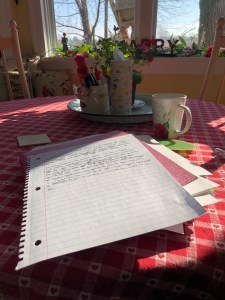
Writing helps me — helps us — understand. That’s why I love it. Don’t you?